The Allure of Casino Gambling
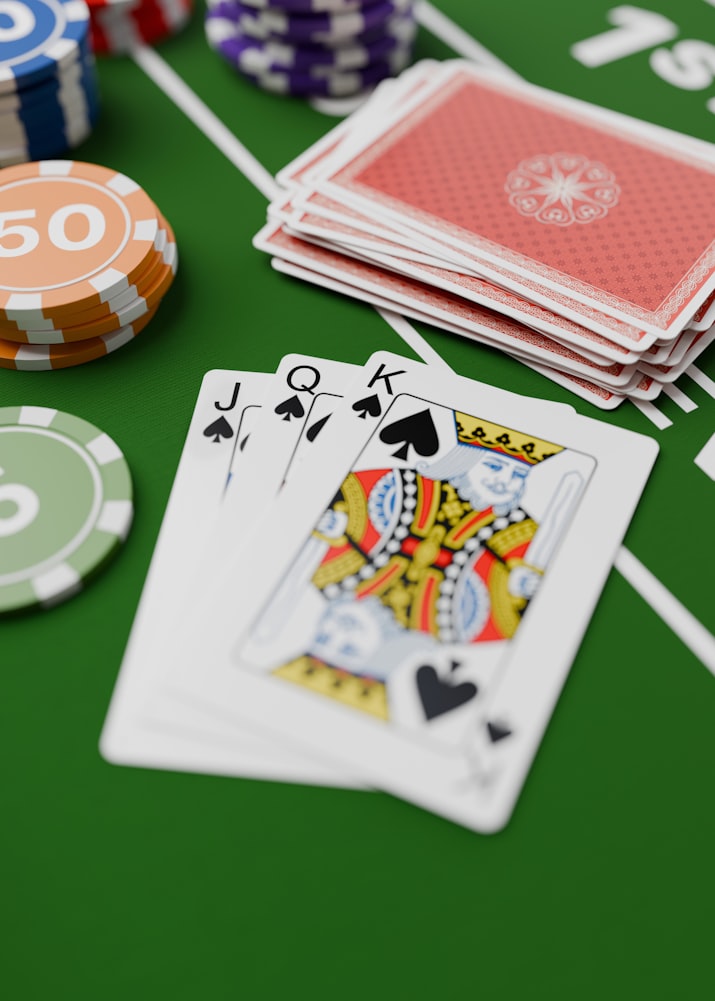
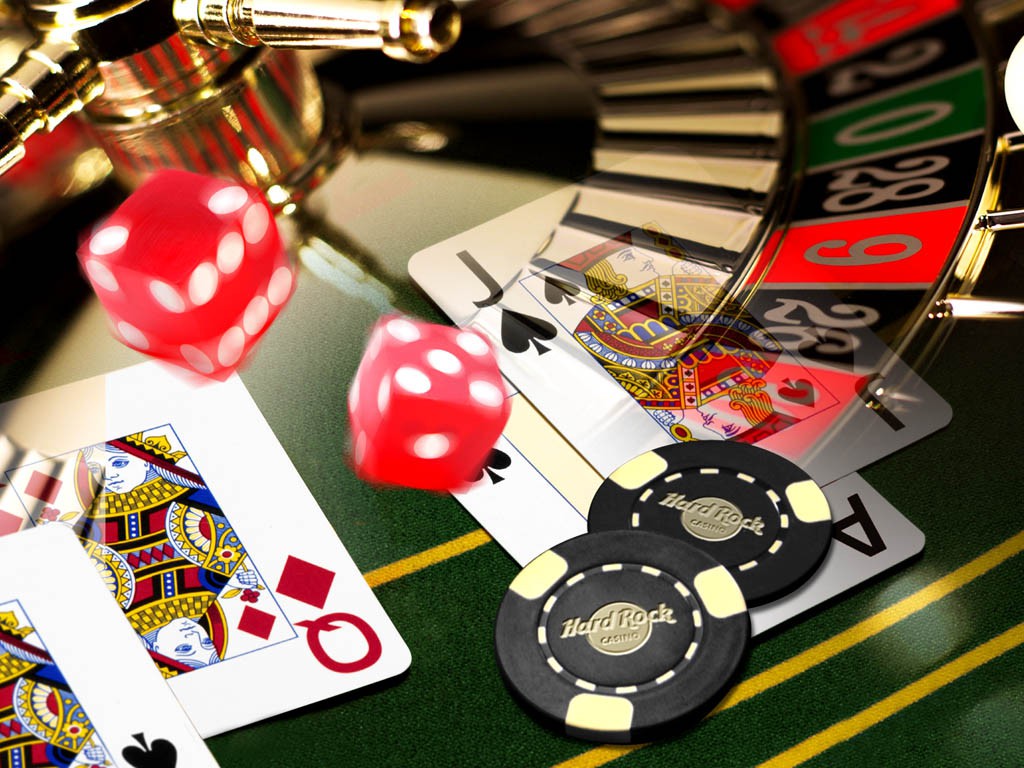
The world of casino gambling is filled with bright lights, enticing sounds, and an atmosphere of excitement that captivates millions. This allure is not merely a matter of chance; it taps deeply into psychological principles that make gambling an irresistible activity for many. The thrill of potentially winning large sums of money, coupled with the social aspects of gathering in a vibrant environment, creates a potent cocktail that draws individuals in, especially at platforms offering options like australian online casino payid where convenience meets entertainment. People are often motivated by the prospect of escape, distraction from daily life, and the chance to experience adrenaline-fueled moments.
Moreover, the design of casinos plays a critical role in attracting gamblers. Elements like free drinks, rewarding loyalty programs, and well-placed machines are strategically employed to keep players engaged. This sensory-rich environment is crafted to stimulate players’ senses and create an atmosphere where time seems to stand still. Additionally, the availability of a variety of games caters to different preferences, ensuring that all types of players find something that piques their interest.
Understanding the psychological mechanics behind this allure can help illuminate why individuals often return to casinos despite the odds being against them. For many, the experience of gambling transcends mere financial transactions; it is an emotional journey filled with highs and lows that mirrors the unpredictability of real life. This complexity of emotions intertwined with entertainment is a fundamental element that keeps the gambling engine running. The desire to chase wins and the thrill of uncertainty can be potent driving forces for many players.
The Role of Cognitive Biases
Cognitive biases play a significant role in how individuals perceive gambling and make decisions within casinos. One common bias is the gambler’s fallacy, which leads players to believe that past outcomes influence future results in games of chance. For example, if a player observes a slot machine paying out several times in a row, they might assume it’s “due” for a loss, which could prompt them to place larger bets in search of the next big win. This faulty reasoning often leads to increased risk-taking behavior and can quickly escalate gambling stakes.
Another cognitive bias prevalent in gambling is the illusion of control. Many players believe they can influence the outcome of a game through skill or strategy, even in purely random games like slots or roulette. This belief can motivate players to continue gambling, as they feel empowered by their perceived ability to predict or manipulate outcomes. Casinos exploit these biases by offering games that reinforce the idea of skill while maintaining a system that is fundamentally random and unmanageable, effectively keeping players engaged longer.

The impact of these cognitive biases is profound, often leading to irrational gambling behavior. Understanding these psychological nuances can help players become more aware of their decision-making processes while gambling. By acknowledging the inherent biases that can cloud judgment, gamblers can make more informed choices and potentially mitigate the risks associated with gambling, leading to a healthier relationship with the activity. Awareness of these biases can act as a safeguard against impulsive actions driven by flawed reasoning.
Emotional and Social Influences
The emotional dimension of gambling significantly influences individuals’ interactions with casinos. Many players are drawn to the excitement and thrill that come with the potential for a significant win, resulting in the release of dopamine, a neurotransmitter associated with pleasure and reward. This chemical response can create a feedback loop, encouraging players to gamble more to recreate that euphoric feeling. The emotional highs experienced during a winning streak are often contrasted by the lows of losses, making the gambling experience a rollercoaster of emotions.
Moreover, the social aspect of gambling cannot be overlooked. Casinos often serve as social gathering places where people come to connect, celebrate, or simply enjoy a night out. This communal experience further enhances the enjoyment of gambling, making it a shared event filled with camaraderie. Social influences can lead to a normalization of gambling behavior, where players feel encouraged to engage because their peers do so as well. This environment can create a cycle where players feel pressured to continue gambling to maintain social connections, sometimes leading to excessive play.
The blend of emotional highs and social dynamics makes gambling a multifaceted experience that is difficult for players to resist. Understanding these influences can help individuals reflect on their motivations for gambling and assess whether they engage in this form of entertainment in a healthy manner. Awareness of emotional triggers and social pressures can significantly alter one’s approach to gambling, ultimately leading to better decision-making. Recognizing when social dynamics push one towards gambling can be crucial for personal accountability.
The Path to Problem Gambling
While many individuals enjoy gambling responsibly, the thrill can sometimes lead to problematic behaviors. Problem gambling arises when individuals lose control over their gambling habits, negatively impacting their finances and personal relationships. The transition from casual gambling to a more compulsive behavior often involves a combination of psychological factors, including the previously mentioned cognitive biases, emotional influences, and social pressures. Recognizing the signs of problem gambling is critical for timely intervention and support.

Many individuals may begin by viewing gambling as a fun hobby, but as emotional highs become associated with monetary losses, the desire to win back lost money can escalate into a cycle of gambling beyond one’s means. This desire for recouping losses can lead to significant financial distress, creating a precarious situation. The rush from gambling can create a dependency similar to substance abuse, where the gambler continues to chase the initial high, often with disastrous consequences for their life and relationships.
Treatment options for those whose gambling has become problematic include therapy, support groups, and financial counseling. Understanding the psychological underpinnings of gambling behavior can facilitate more effective treatments and strategies to regain control. Individuals struggling with gambling addiction must be encouraged to seek help, as acknowledging the issue is the first step toward recovery. Recognizing the journey from casual gambling to problem gambling is essential for preventative measures and promoting healthy gambling behaviors in society.
Exploring Responsible Gambling Resources
In an era where gambling is widely accessible, responsible gambling resources have become increasingly important. Websites dedicated to gambling education provide information on the risks associated with gambling, including practical tools for self-assessment and management. Many organizations offer support services aimed at promoting responsible gambling habits and helping individuals recognize when their behavior may be becoming problematic. These platforms serve as essential guides for those who wish to maintain a healthy relationship with gambling.
These resources often include informative articles, guides on setting limits, and access to counseling services. For individuals seeking to better understand their relationship with gambling, these platforms can provide critical insights and support. By investing time in exploring these resources, players can cultivate a responsible approach, ensuring that gambling remains an enjoyable pastime rather than a source of distress. Engaging with these resources can empower individuals to make better choices during their gambling experiences.
Furthermore, online platforms dedicated to responsible gambling are tailored to reach a broad audience, offering both educational tools and community support. Players are encouraged to familiarize themselves with these sites, as they serve as a valuable repository for information on how to gamble responsibly and avoid the pitfalls associated with gambling addiction. Spreading awareness and providing accessible information are crucial steps toward fostering a healthier gambling environment for everyone, ultimately benefiting both players and the broader community.